Wedding flowers for Addington Hills venues and churches
Posted on 29/09/2026
Planning wedding flowers for Addington Hills venues and churches can feel wonderfully exciting and a bit overwhelming at the same time. One minute you are picturing a simple church entrance with soft white roses; the next, you are wondering how to carry that look through a reception space, a photo spot, and the bridal party without overdoing it. Truth be told, that is exactly where a thoughtful floral plan makes life easier.
Addington Hills sits in a part of London where weddings often mix traditional church ceremony settings with venue spaces that may be more modern, intimate, or seasonal in feel. That means your flowers need to do more than look pretty. They need to suit the building, support the ceremony, handle transport well, and still photograph beautifully in natural light. In this guide, you will find a practical, human approach to choosing, ordering, and coordinating flowers that feel right for the day.
We will cover style choices, timing, the role of different arrangements, common mistakes, and a realistic step-by-step approach so you can make decisions with confidence. And yes, we will keep it grounded. No fluff, no fantasy prices, just useful advice you can actually use.
Why Wedding flowers for Addington Hills venues and churches Matters
Wedding flowers do a lot more than decorate a room or line a church aisle. They set the emotional tone of the day. Walk into a church with scent, colour, and well-scaled arrangements at the front and you immediately feel the occasion. Walk into a venue where the flowers are too tall, too sparse, or slightly at odds with the room, and the whole event can feel less cohesive. Small thing? Maybe. But it changes the mood more than people expect.
For Addington Hills weddings, the key is fit. Churches often have architectural features that already bring a lot of character: stone, wood, stained glass, side chapels, high ceilings, or narrow aisles. Venues may be modern, rustic, formal, or somewhere in between. The flowers should complement the space rather than compete with it. That means thinking carefully about scale, colour, and how guests will move through the day.
There is also a practical reason this matters. Ceremony flowers are usually seen up close by the couple, the photographer, and the people seated nearest the front. Reception flowers may need to survive a long day, warm indoor air, transport between spaces, or a quick room turnaround. If your plan is built around the space instead of just the bouquet, everything tends to work better. Simple as that.
In our experience, the weddings that feel the most polished are not necessarily the most expensive ones. They are the ones where the florist understands the setting, the timing, and the visual job each arrangement has to do. That sounds obvious, but it gets missed all the time.
How Wedding flowers for Addington Hills venues and churches Works
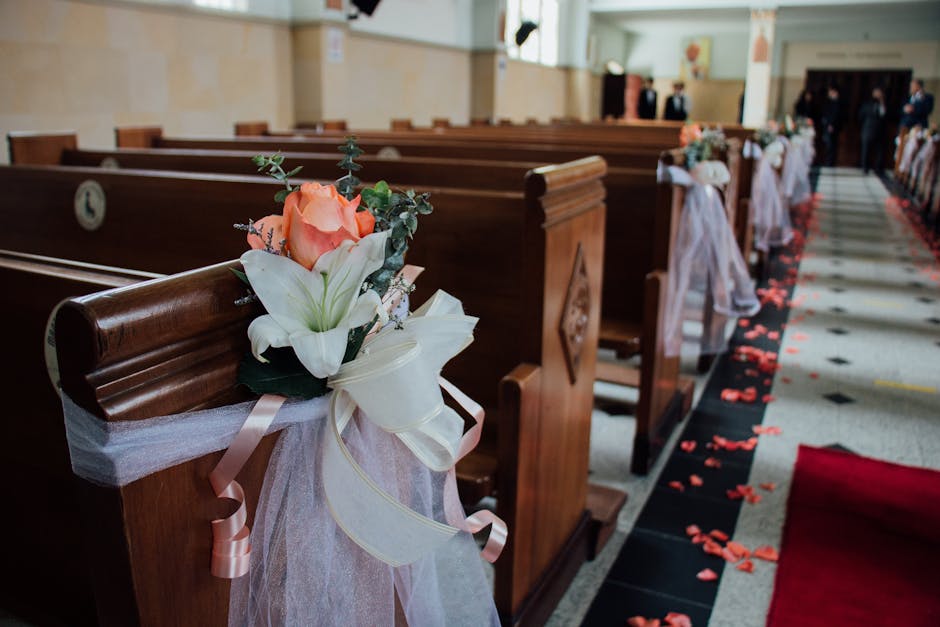
The process usually starts with the ceremony location, then builds outward. For a church wedding, the floral plan often includes the bridal bouquet, bridesmaid bouquets, buttonholes, altar or pedestal arrangements, aisle details, and occasionally pew ends or entrance pieces. For a venue reception, the focus shifts to table arrangements, top table florals, focal displays, and perhaps a statement piece for the welcome area or photo wall.
A good florist will usually begin by asking a few practical questions: What time is the ceremony? How are you getting from the church to the venue? Will the flowers move between locations or stay put? What colours are in the dress, stationery, church interior, or reception room? Those details matter more than you might think.
Then comes style. Some couples want classic whites and greens, while others prefer soft pastels, rich jewel tones, or a more natural garden feel. You might choose roses for tradition, lilies for elegance, alstroemeria for texture, or a mixed design for softness and movement. If you want a cohesive wedding look, it helps to keep the bouquet, buttonholes, and table flowers connected by the same colour family or flower types.
For example, a church ceremony in a traditional setting might suit a refined palette of white roses, lisianthus, and subtle greenery, while a reception venue with modern lighting might work better with stronger contrast and a few sculptural stems. Not everything has to match exactly. It just needs to feel intentional.
If you want to explore wedding-specific designs on the site, the wedding collection is a useful starting point, and you can also look at the broader wedding flowers in Addington CR0 range for inspiration across bouquets, buttonholes, and arrangements.
Key Benefits and Practical Advantages
The right wedding flowers bring together style, structure, and atmosphere. That is the big picture. But there are also a bunch of practical advantages that are easy to overlook during planning.
- They make different parts of the day feel connected. A bouquet can echo the table flowers, which can echo the church arrangements. Guests may not consciously analyse it, but they will feel the harmony.
- They help define the ceremony space. In a church, flowers can draw the eye to the altar or front aisle without hiding the building's character.
- They improve photographs. Soft floral textures can lift a picture in natural light, especially in older churches or venues with muted interiors.
- They support the mood. White florals say one thing, bright mixes say another, and deep romantic tones create a completely different atmosphere.
- They can be adapted to budget and scale. You do not need huge arrangements everywhere. Strategic placement often works better than trying to cover every surface.
There is another advantage people often miss: flowers can solve awkward visual problems. A long ceremony table can look better with low arrangements. A plain venue backdrop can be softened with a focal piece. A church entrance can feel more welcoming with simple urns or tall stems rather than a lot of clutter. It is design, really, but in a floral form.
Expert summary: The best wedding flower plans for Addington Hills venues and churches are the ones that balance beauty with function. Start with the ceremony space, then carry one consistent idea through the bouquet, bridal party flowers, and reception styling.
Who This Is For and When It Makes Sense
This approach makes sense for couples who want their wedding flowers to feel calm, coherent, and suited to the setting rather than chosen in isolation. It is especially useful if you are planning a church ceremony and a separate reception venue, because that is where floral coordination can become messy very quickly.
It is also a smart approach if you care about photographs. Flowers are one of those details that can either quietly elevate every image or sit there looking a bit random. If your photographer is moving between indoor church light, outdoor steps, and a reception room, a cohesive floral story helps a lot.
And let's face it, most couples are juggling a hundred tiny decisions. If you are short on time, ordering a complete wedding flower collection can reduce stress and make the decisions feel less fragmented. If you are more hands-on, you might prefer to build the look piece by piece. Both work. The trick is knowing what you actually need.
This is particularly relevant for:
- couples marrying in a church with specific rules around placement or access
- weddings where the ceremony and reception are in different locations
- smaller weddings where a few well-chosen arrangements need to do a lot of work
- larger weddings that need consistent styling across several spaces
- brides or couples who want classic British wedding styling with a modern touch
If your venue has a strong interior already, you may need fewer flowers than you first imagine. That can be a relief. Sometimes restraint is the elegant choice, not excess.
Step-by-Step Guidance
Here is a practical way to plan wedding flowers for Addington Hills venues and churches without feeling pulled in ten directions.
- Start with the ceremony setting. Look at the church or venue and ask what the flowers need to do. Frame the altar? Brighten a dark aisle? Echo the building's style? This gives you the first design clue.
- Choose a clear palette. Pick one main mood: classic white, romantic blush, soft pastel, bold mixed colours, or a richer seasonal look. You can add accents later, but the main palette should stay steady.
- Decide the floral roles. Separate the essential items from the optional ones. Essential usually means bridal bouquet, bridesmaid bouquets if needed, buttonholes, and ceremony flowers. Optional might be aisle ends, extra table arrangements, or a decorative entrance display.
- Check timing and transport. If flowers need to move from church to venue, ask how they will be packed and kept fresh. A long gap between the ceremony and reception changes what is practical.
- Match scale to the space. A small church can be overwhelmed by oversized pieces. A large reception room may need more height or volume so the flowers do not disappear.
- Keep the bouquet and buttonholes in the same story. They do not have to be identical, but they should belong together. That coherence shows up in photos more than people realise.
- Confirm delivery and set-up details. Who places the flowers in the church? Who moves them to the venue? Who checks them before the guests arrive? This avoids the classic last-minute scramble. Nobody wants that.
- Leave room for flexibility. Seasonal flowers, weather, and availability can affect the final result. A good florist will guide substitutions without losing the look.
A handy rule of thumb: build the ceremony first, the bouquets second, and the reception third. If you do it the other way round, you can end up with a pretty table scheme that doesn't quite suit the place you are actually getting married in.
Expert Tips for Better Results
There are a few small choices that make a surprisingly big difference.
1. Use the venue's natural style as a guide
If the church has strong traditional features, flowers with a refined shape often sit better than very loose, sprawling designs. If the venue is more contemporary, a relaxed garden style can soften the room nicely. The building should influence the design. Not dictate it, but definitely influence it.
2. Think in layers, not just individual arrangements
One bouquet might be beautiful on its own, but what does it look like beside a buttonhole, then next to a table piece, then in the aisle? Layered planning creates visual continuity. That's what makes the day feel designed rather than assembled.
3. Choose hardy flowers for long days
Church-to-venue weddings can run long. Flowers such as roses, alstroemeria, chrysanthemums, and some lilies tend to travel well when handled properly. If your day includes warm indoor spaces or a long wait between events, ask your florist which blooms will hold up best.
4. Keep scent in mind
Scent can be lovely, but in a church or enclosed venue it can also be a bit much. If you know guests include people sensitive to fragrance, choose lightly scented flowers or mix in neutral options. Nobody wants to be sneezing during the vows, really.
5. Don't ignore the small flowers
Buttonholes, corsages, and bridesmaid bouquets do quiet but important work. They tie the wedding party together. Even a simple design can make the entire look feel more thoughtful.
6. Use a few focal moments rather than everywhere
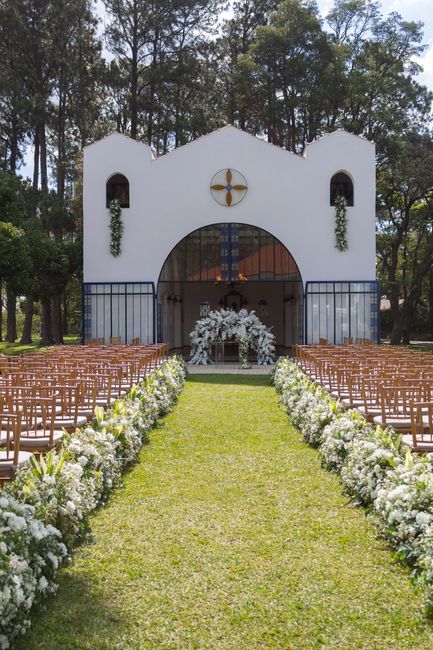
A strong entrance display, a statement altar arrangement, and well-placed table flowers often deliver more impact than trying to decorate every inch. Fewer, better-placed flowers can feel more luxurious.
For refined, coordinated wedding pieces, you may want to browse the bridal bouquets, bridesmaid bouquets, and buttonholes available on the site. Those are the pieces that often set the visual tone first.
Common Mistakes to Avoid
Wedding flowers are one of those things that look straightforward until you actually plan them. A few common mistakes can create avoidable stress.
- Choosing flowers before thinking about the location. The church or venue should shape the plan. Otherwise you can end up with arrangements that are too big, too sparse, or just slightly off.
- Forgetting about transport. Flowers may look perfect at handover and tired by the time they reach the venue if they are not packed carefully.
- Mixing too many colours without a clear reason. A wide palette can work, but it needs discipline. Random colour choices rarely do.
- Leaving the bouquet style unrelated to the rest. A bridal bouquet that feels completely disconnected can make the whole look feel unfinished.
- Over-ordering for a small space. More is not always better. In a compact church or intimate venue, too much floral volume can actually flatten the room.
- Not checking venue or church rules. Some places have preferences about adhesives, water containers, candles nearby, or where arrangements may be placed. Always check early.
- Assuming every flower will be available at the last minute. Seasonal availability changes. It happens. Good florists work around it, but the plan should allow for it.
A quiet but important one: many couples do not leave enough time for set-up. If the ceremony starts soon after delivery, everyone is rushed. That rush shows. Build in a little breathing room if you can.
Tools, Resources and Recommendations
You do not need a giant toolkit to plan wedding flowers well, but a few simple resources help enormously.
- Venue photographs. Interior shots of the church and reception space help the florist understand scale, light, and style.
- Colour samples. Fabric swatches, bridesmaid dress photos, stationery images, and even a picture of the suit or tie can help align the palette.
- A rough seating plan. This is useful if you want table arrangements matched to guest numbers or table sizes.
- Delivery timings. Knowing when each part of the day happens makes it easier to plan flower freshness and movement.
- Product category pages. For browsing ideas, the site's wedding table arrangements, corsages, and wedding gifts sections can be helpful if you want to round out the day with matching details.
If you are deciding between different looks, it can also help to compare styles by flower type. Roses feel timeless and structured. Lisianthus feels soft and graceful. Orchids add a more modern, sculptural look. Mixed arrangements can feel abundant and relaxed. There is no single right answer here. It depends on the room, the season, and the feeling you want people to carry away with them.
For care and handling after delivery, the site's flower care guidance is a sensible reference point, especially if you are moving arrangements between locations or keeping some pieces overnight.
Law, Compliance, Standards, or Best Practice
For weddings in Addington Hills and the wider London area, the main compliance considerations are usually practical rather than complicated. Churches and venues may have their own policies about deliveries, access times, aisle placement, attachments, or what can be fixed to pews and surfaces. Those rules vary, so it is best to ask early rather than assume.
There can also be simple safety and best-practice considerations. For example, arrangements should be stable, water should be contained properly, and pathways must stay clear. In a church, you do not want guests brushing against fragile displays or blocking sightlines during the ceremony. Aisles matter. Photographers appreciate it too, though they might not say it out loud.
If candles or electrical features are part of the wider styling, the venue may have separate requirements. Your florist should know the normal expectations and should be able to advise on safe placement around entrances, steps, and table edges. If something seems uncertain, ask. It is much easier to adjust before delivery than on the morning itself.
It is also sensible to check terms around cancellations, substitutions, and refunds, especially for custom wedding orders. The site's terms and conditions, returns and refund information, and delivery details are useful places to review how orders are handled. For trust and transparency, it never hurts to understand the basics before you confirm.
Finally, if you want to know more about the business behind the service, the about us page, guarantees, and sustainability information can help you assess fit and service standards.
Options, Methods, or Comparison Table
Below is a simple comparison of common wedding flower approaches for Addington Hills venues and churches. Use it as a practical shorthand, not a rigid rulebook.
| Approach | Best for | Strengths | Things to watch |
|---|---|---|---|
| Classic white and green | Traditional churches, formal venues, timeless styling | Elegant, calm, photographs well, easy to coordinate | Can feel too plain if not balanced with texture |
| Soft pastel garden style | Romantic ceremonies, spring and summer weddings | Gentle, fresh, airy, flattering in natural light | Needs careful colour control to avoid looking washed out |
| Rich seasonal colour palette | Autumn weddings, dramatic interiors, bold couples | Warm, memorable, strong visual impact | Can overpower smaller spaces if overused |
| Minimal modern styling | Contemporary venues, smaller budgets, simple ceremonies | Clean lines, less clutter, easy to maintain | Needs strong design choices so it does not feel underdone |
| Mixed bouquet-led design | Couples who want a natural, abundant feel | Personal, textured, versatile across ceremony and reception | Requires a skilled eye to avoid visual chaos |
If you are torn between two styles, ask which one suits the building more naturally. That tends to settle the question quickly. A church with a lot of architectural detail may prefer a calmer floral framework, while a plain venue may welcome a bolder floral statement.
Case Study or Real-World Example
Here is a realistic example based on the kind of wedding many couples plan in the area.
A couple is marrying in a church near Addington Hills in the late afternoon, then heading to a reception venue for dinner and speeches. They want a classic look, but not something stiff or overly formal. The bride chooses a bouquet with white roses, lisianthus, and soft greenery. The bridesmaids carry smaller versions with slightly more compact shapes. The groom and party wear simple rose buttonholes.
For the church, the couple chooses two modest altar arrangements and keeps the aisle clear. They do not overload the space. The flowers frame the ceremony without blocking the building's character. Afterward, the arrangements are moved to the reception and placed at the entrance and on the top table, while smaller table pieces add continuity across the room.
What works well here is not extravagance. It is consistency. The same flower language appears in each setting, but each piece does a different job. The bouquet is personal. The altar flowers are ceremonial. The table flowers create warmth and finish. Nothing is fighting for attention. That is usually what people mean when they say the wedding "felt elegant", even if they do not use those exact words.
One little detail made a difference too: the florist confirmed the delivery window with enough time for the church set-up before guests arrived. No scrambling, no last-minute apologies, no one standing in the doorway with a box of flowers and a worried face. Honestly, that alone can save the morning.
Practical Checklist
Use this checklist when organising wedding flowers for Addington Hills venues and churches.
- Confirm the ceremony location and reception location
- Check what the church or venue allows for placement and fixing
- Choose a main colour palette
- Decide on bouquet style and bridal party flowers
- Choose buttonholes and any corsages
- Plan altar, entrance, aisle, or table flowers as needed
- Ask how flowers will be delivered and who will set them up
- Check whether flowers must be moved between locations
- Allow time for photos before and after the ceremony
- Review substitution, cancellation, and delivery terms
- Ask about flower care once the arrangements arrive
- Make sure the style suits the scale of the room
Quick take: if your ceremony and reception are in different places, plan the flowers as a single flowing story. If they are in the same place, plan them as one design system with different roles. That simple mindset can save a lot of confusion.
Conclusion
Wedding flowers for Addington Hills venues and churches work best when they are chosen with the setting in mind, not just the bouquet in isolation. The right flowers make the ceremony feel intentional, help the photography shine, and tie the whole day together with a sense of ease. The best part? You do not need a huge, complicated scheme to achieve that.
Start with the space, define the mood, choose a palette that feels true to you, and build outward from there. Whether you prefer timeless white roses, a softer garden mix, or something more expressive, the goal is the same: flowers that feel like they belong there. And when they do, everything else seems to settle into place a little more smoothly.
Get a free quote today and see how much you can save.
If you are comparing ideas or looking for a florist-led starting point, the best next step is to browse the wedding ranges, note the styles you keep coming back to, and then choose the combination that feels calm, balanced, and unmistakably yours. That is usually the right one.
Frequently Asked Questions
What flowers are best for a church wedding in Addington Hills?
Classic choices such as roses, lisianthus, lilies, and alstroemeria often work well because they suit traditional church interiors and hold their shape nicely. If the church is quite ornate, a simpler arrangement may look better than something overly busy.
How far in advance should I order wedding flowers?
It is sensible to plan early, especially if you want custom bouquets or coordinated ceremony and reception flowers. Earlier planning gives you more choice and makes it easier to refine the colour palette, timings, and delivery details.
Can wedding flowers be moved from the church to the reception venue?
Yes, they often can, but the florist needs to plan for transport, timing, and handling. Some arrangements travel better than others, so it is worth discussing this before the day rather than assuming it will be straightforward.
Do I need flowers for both the ceremony and reception?
Not always. Some couples focus their budget on the bouquet, buttonholes, and a few ceremony pieces, then keep the reception flowers minimal. Others prefer a fuller look. It depends on the size of the spaces and the style you want.
What if the church has restrictions on decorations?
That is fairly common. Churches may have rules about where flowers can go or how they can be fixed. Ask early so the florist can design something that fits the building's expectations and avoids last-minute changes.
How do I choose colours for wedding flowers?
Start with the dress, bridesmaid outfits, suits, or stationery if you have them. Then think about the ceremony setting. Soft white and green works well in many churches, while blush, seasonal tones, or mixed colours may suit more relaxed venues.
Are seasonal flowers better for weddings?
They can be. Seasonal flowers often look natural and feel more in tune with the time of year. They may also be easier to source. That said, a good florist can usually help you achieve a similar look even if one specific flower is not available.
What wedding flower items are most important?
The essentials are usually the bridal bouquet, bridesmaid bouquets, buttonholes, and any ceremony focal flowers. After that, table arrangements and entrance pieces are often the next most valuable additions.
How can I make a small wedding feel elegant with flowers?
Focus on quality over quantity. A beautiful bouquet, a few well-placed ceremony flowers, and simple table arrangements can feel very polished. In smaller spaces, too many flowers can actually work against the design.
What should I ask the florist before booking?
Ask about delivery times, setup, transport between venues, substitution policies, and which flowers are likely to suit your chosen style. If you have a church ceremony, ask whether they have experience with that type of setting.
Can I choose a budget-friendly wedding flower plan without it looking cheap?
Absolutely. A thoughtful colour scheme, a limited number of well-placed arrangements, and sturdy seasonal flowers can look elegant without being extravagant. It is about placement and design, not just volume.
Do wedding flowers need special care on the day?
Yes, a little. Keep them cool where possible, handle them gently, and follow any care advice given by the florist. If flowers are moving between church and venue, ask in advance how they should be stored in transit.